Overview
AI-First Lifestyle Widgets is a personal experimental project exploring how micro-interactions and AI logic can enhance everyday wellness experiences.
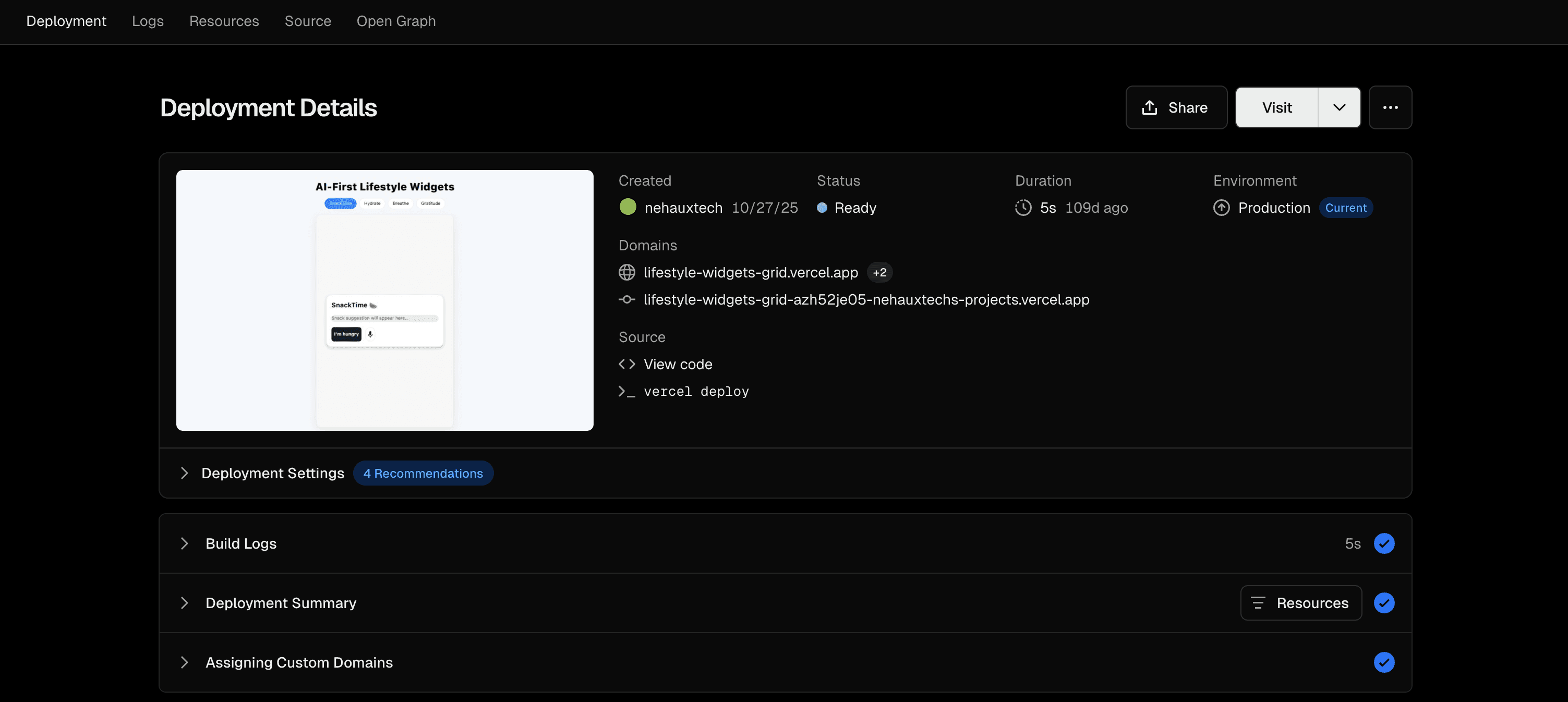
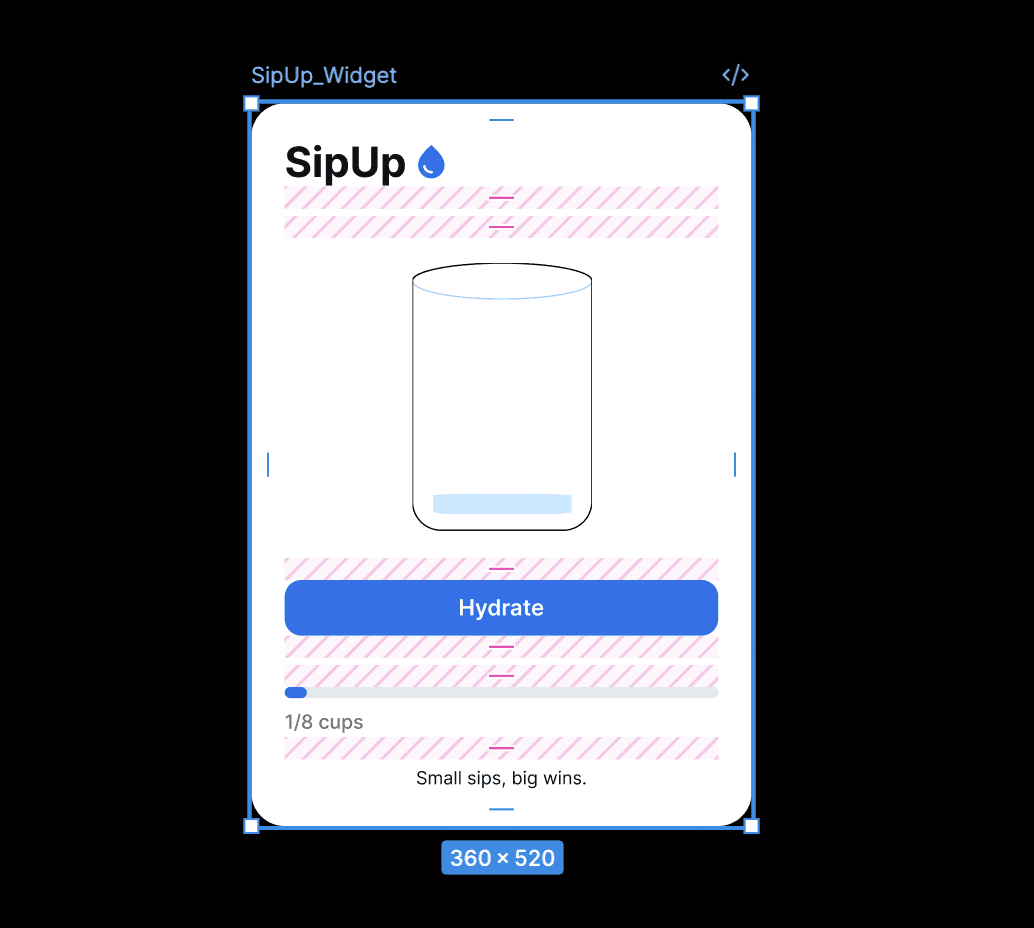
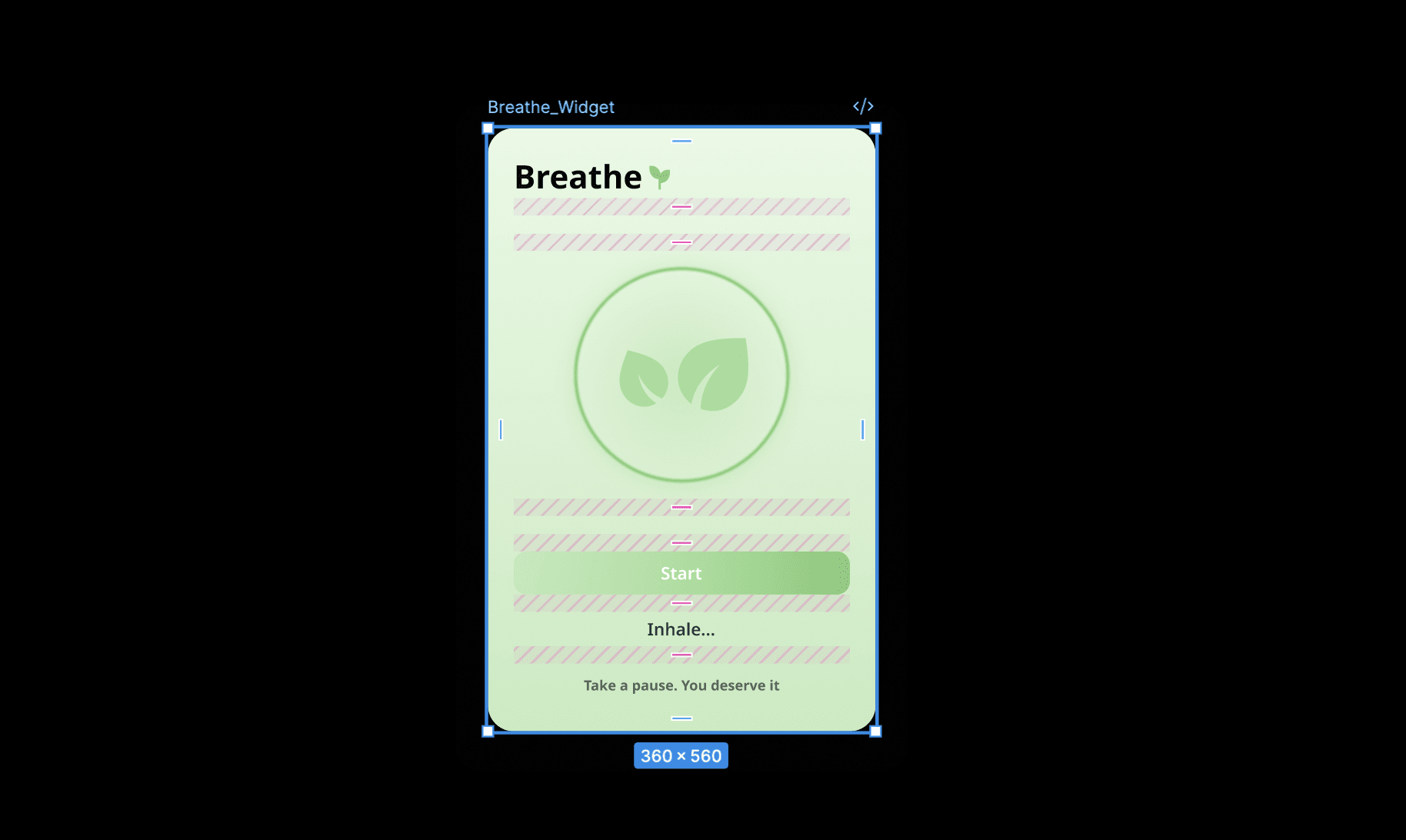
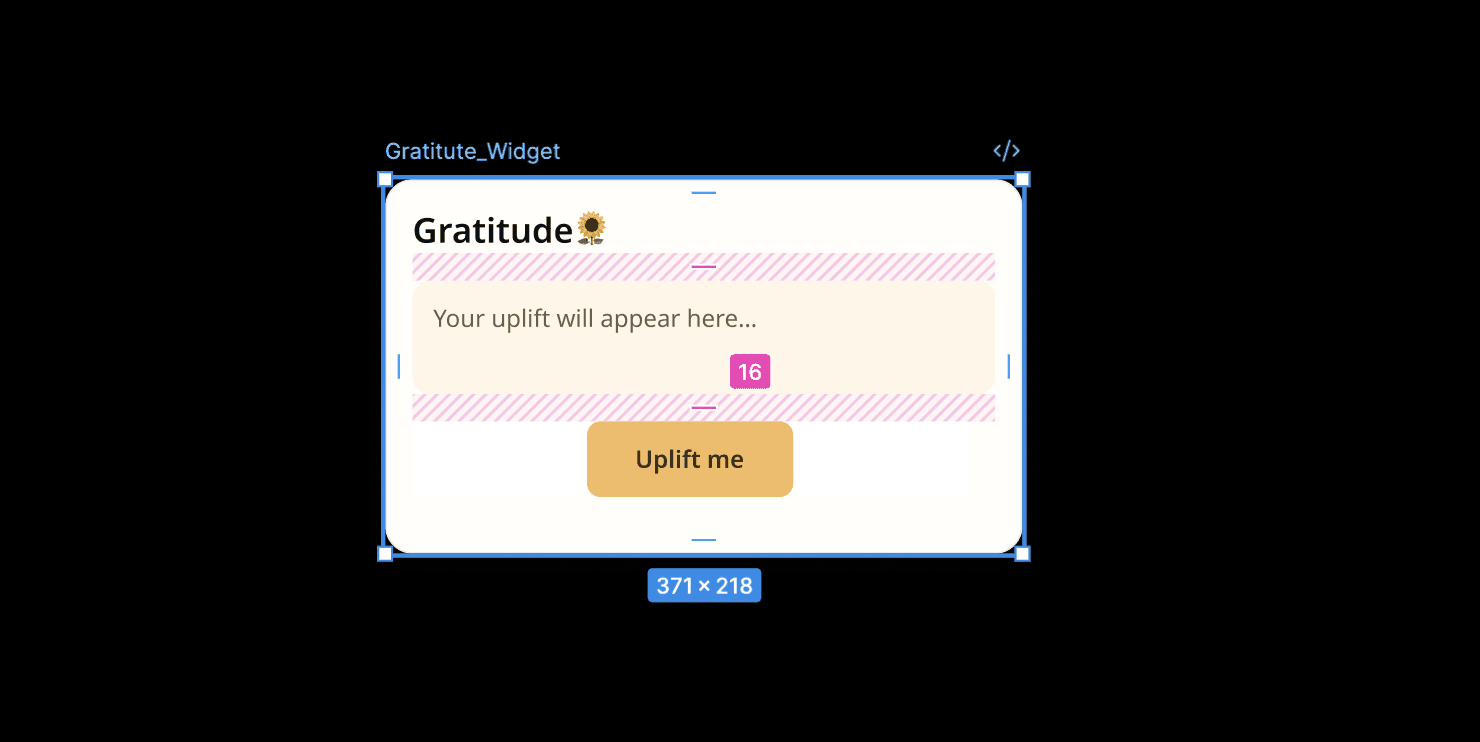
I designed and developed four responsive lifestyle widgets — SnackTime, SipUp, Breathe, and Gratitude, that each target a different aspect of daily balance. These were fully prototyped in Figma and then built using AI-assisted coding workflows (“vibe coding”) in VS Code and deployed via Vercel.
My role
End-to-end designer + front-end developer
Concept development & visual design in Figma
Prototyping UI interactions
Implementing functional code with AI guidance
Testing & deployment with Vercel + React + TailwindCSS
Challenge
I wanted to explore how non-coders like me can leverage AI-assisted development to create meaningful digital experiences.
The main challenge was bridging the gap between design intent and code execution — ensuring the widgets looked as designed in Figma while remaining lightweight, interactive, and accessible.
Workflow
Concept & Sketch: Defined each widget’s intent — bite-sized digital companions for eating well, hydrating often, breathing deeply, and staying grateful.
Design & Structure: Built component systems and layout foundations in Figma, ensuring harmony across colors, typography, and hierarchy.
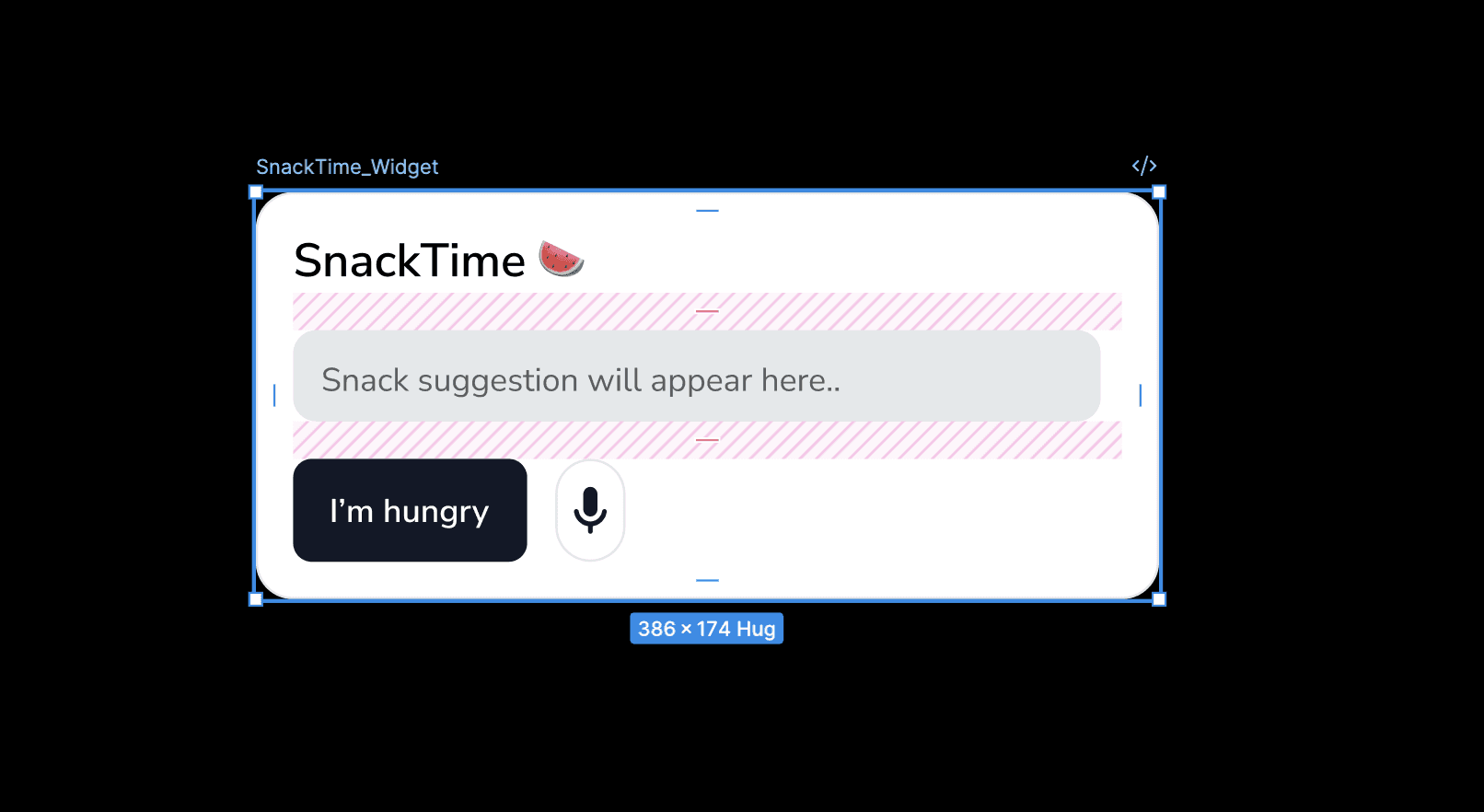
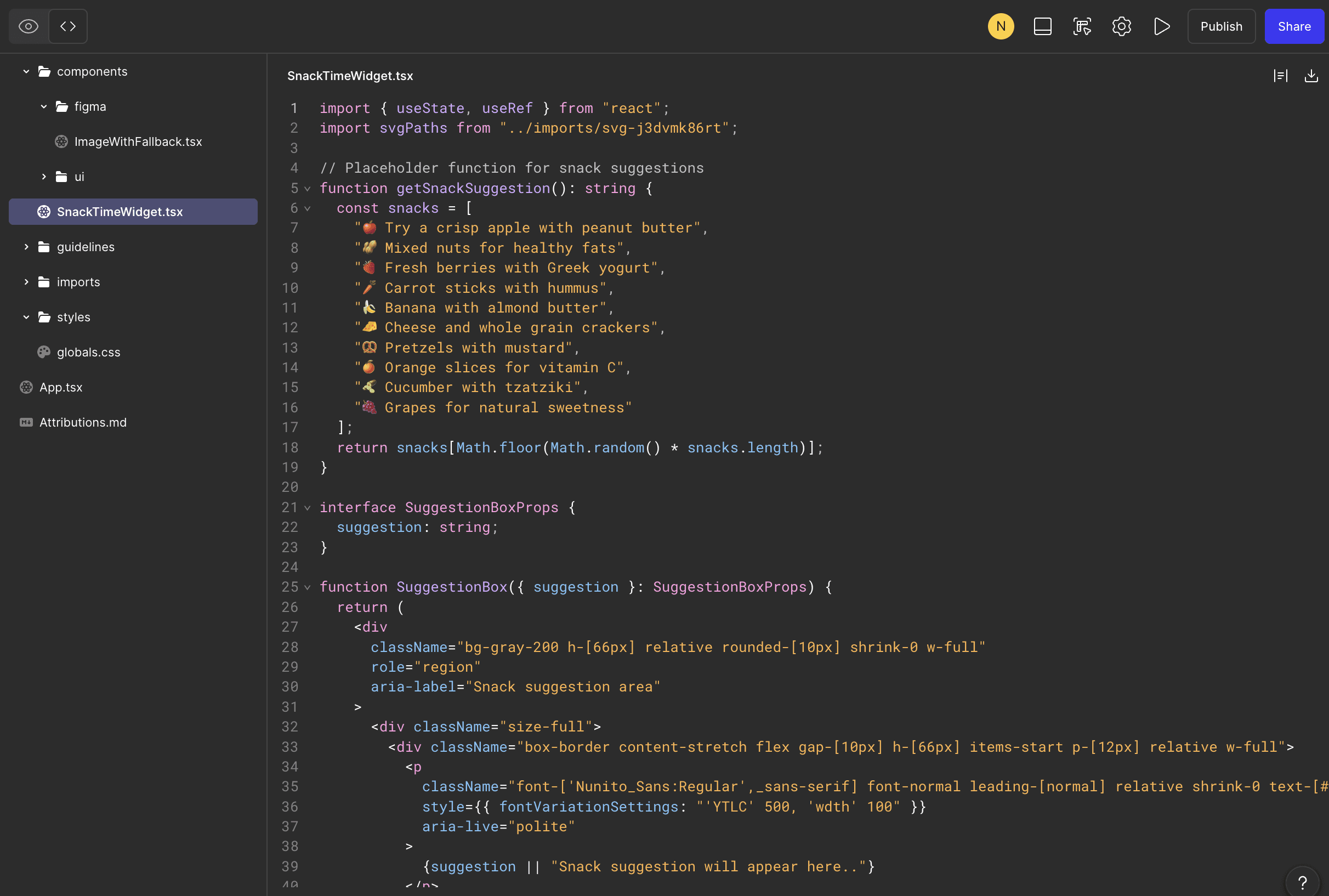
Code Integration: Used Figma Make to generate React components, then refined the UI and logic through AI-assisted “vibe coding” in VS Code.
Deploy & Test: Deployed each widget via Vercel and GitHub testing for responsive behavior and seamless interaction across devices.
UI Design Decisions
Unified minimalism: Each widget feels distinct but cohesive through shared spacing, corner radius, and typography.
Intent-based color:
SnackTime — warm neutrals for comfort
SipUp — calm blue for hydration
Breathe — green for serenity
Gratitude — soft beige for reflection
Tactile hierarchy: Rounded buttons, soft shadows, and focus-driven color transitions encourage calm engagement.
Micro-interactions: Smooth transitions and feedback states amplify user delight.
AI Logic
Each widget includes simple but meaningful AI logic:
SnackTime 🍉 — Randomly generates snack suggestions for energy and focus.
SipUp 💧 — Tracks small hydration goals and progress.
Breathe 🌿 — Guides rhythmic breathing through timed animation cycles.
Gratitude 🌻 — Rotates uplifting affirmations to boost mood.
AI helped bridge my no-code gap, generating starter logic, cleaning syntax, and explaining functionality in natural language.
Outcome
Built four functional wellness widgets, combining UX clarity with AI-assisted development.
Demonstrated how AI can empower designers to code and ship without traditional barriers.
Developed stronger proficiency in React, Tailwind, and AI-aided prototyping.
Shared on LinkedIn as part of my Vibe Coding series, sparking community discussion around AI in design.
Designers can now code, with AI as a creative collaborator.
Building small, shippable projects accelerates learning more than tutorials.
True design innovation happens at the intersection of empathy and experimentation.
The next era of design is not just AI-powered, but AI-co-created.